
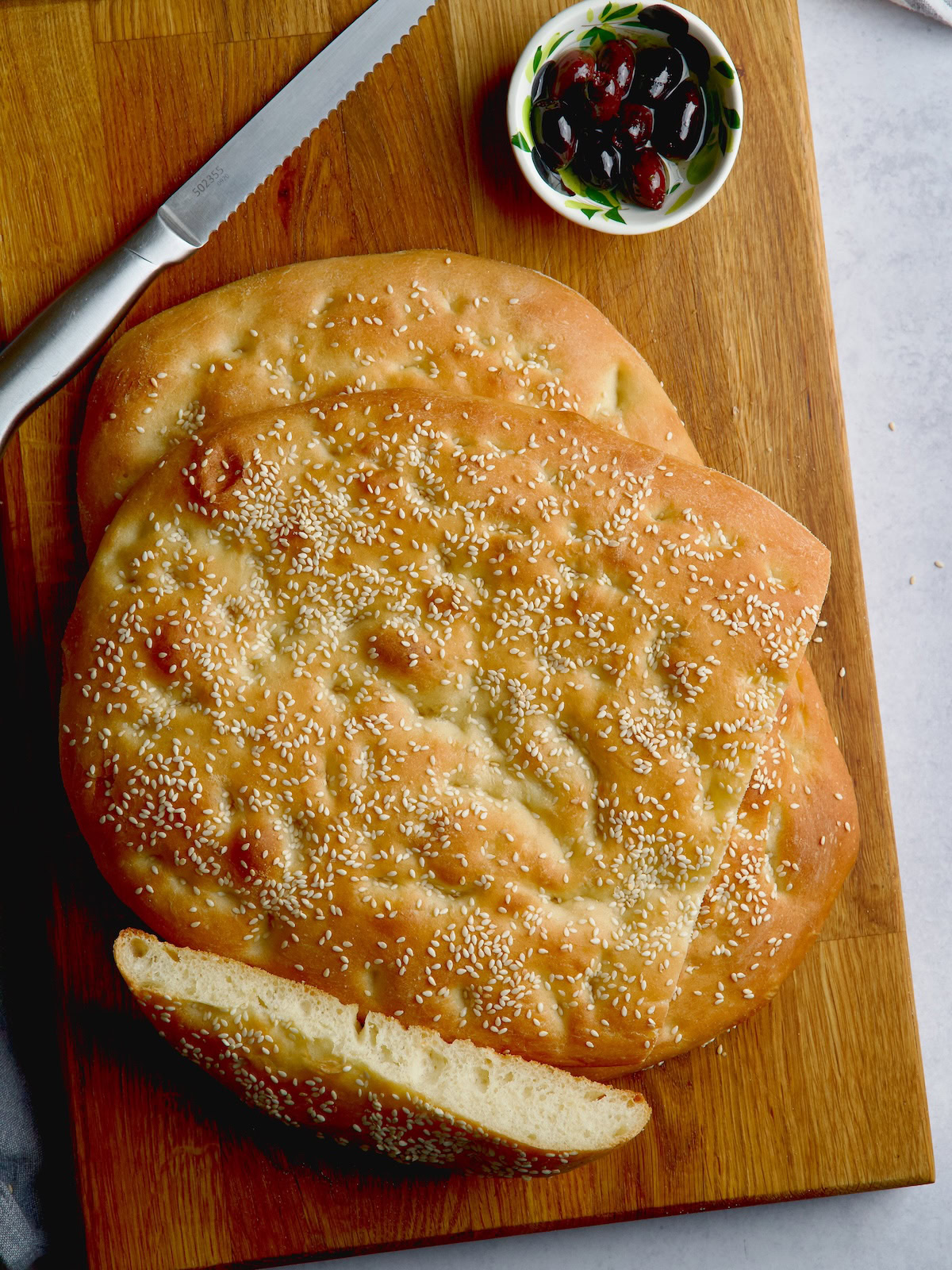
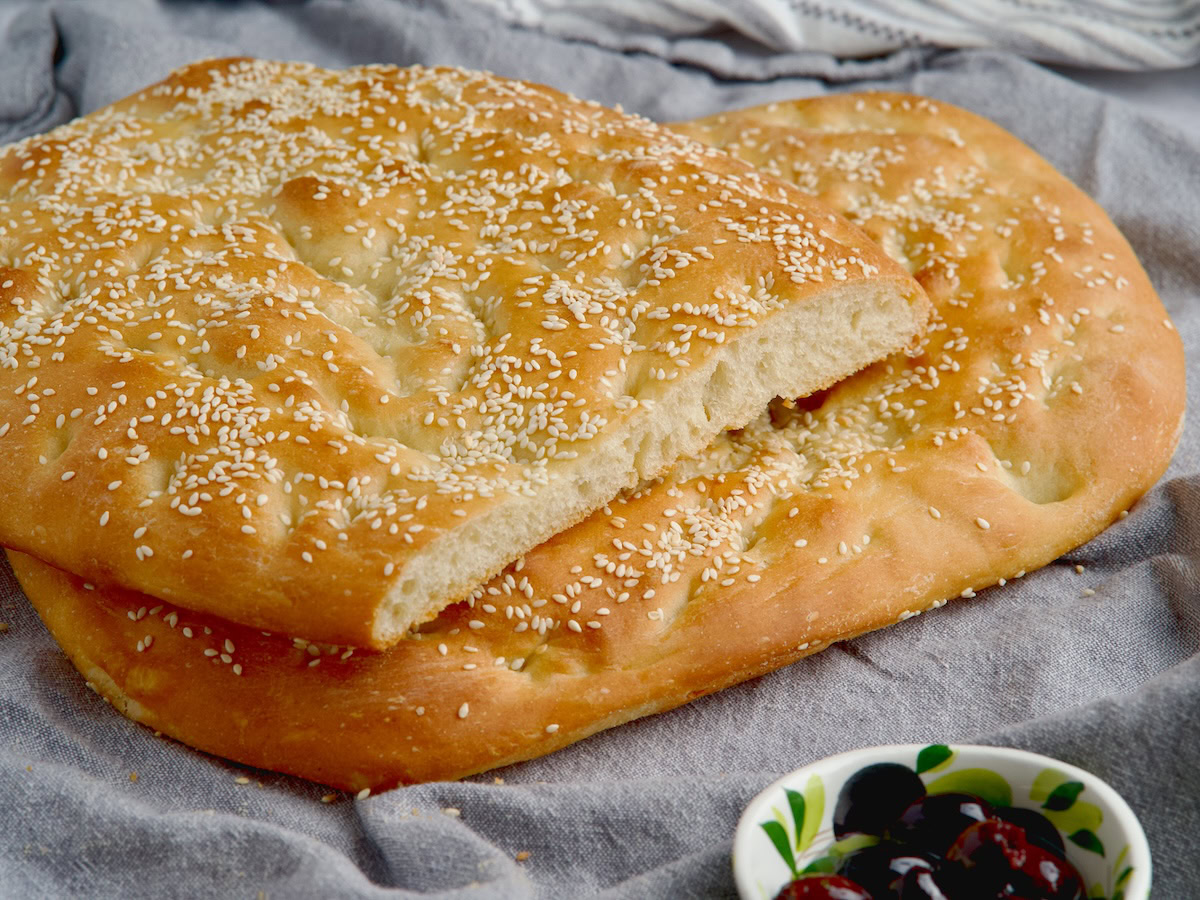
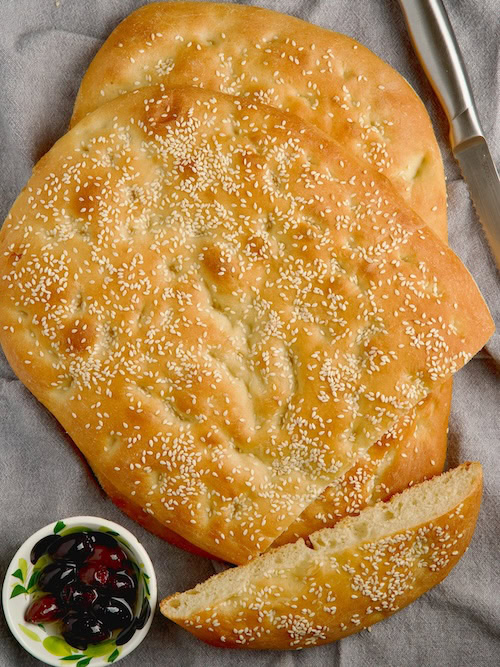
Greek lagana (λαγάνα) is a traditional flatbread made especially for Clean Monday (Καθαρά Δευτέρα), the first day of Lent in the Greek Orthodox calendar. It marks the beginning of the fasting period before Easter, and lagana is basically the star of the table that day.
This Greek flatbread was made without leavening agents (yeast) in the past, symbolizing a simple, humble start to Lent. Most modern versions, like the one I’m sharing with you here, use active dry yeast for a softer texture. The difference with making bread is the time you leave the dough to rest, just for 1-2 hours. Also the dough is more sticky resemebling a lot the dough of Greek sesame bagels (koulouria).
Jump to:
How it’s eaten
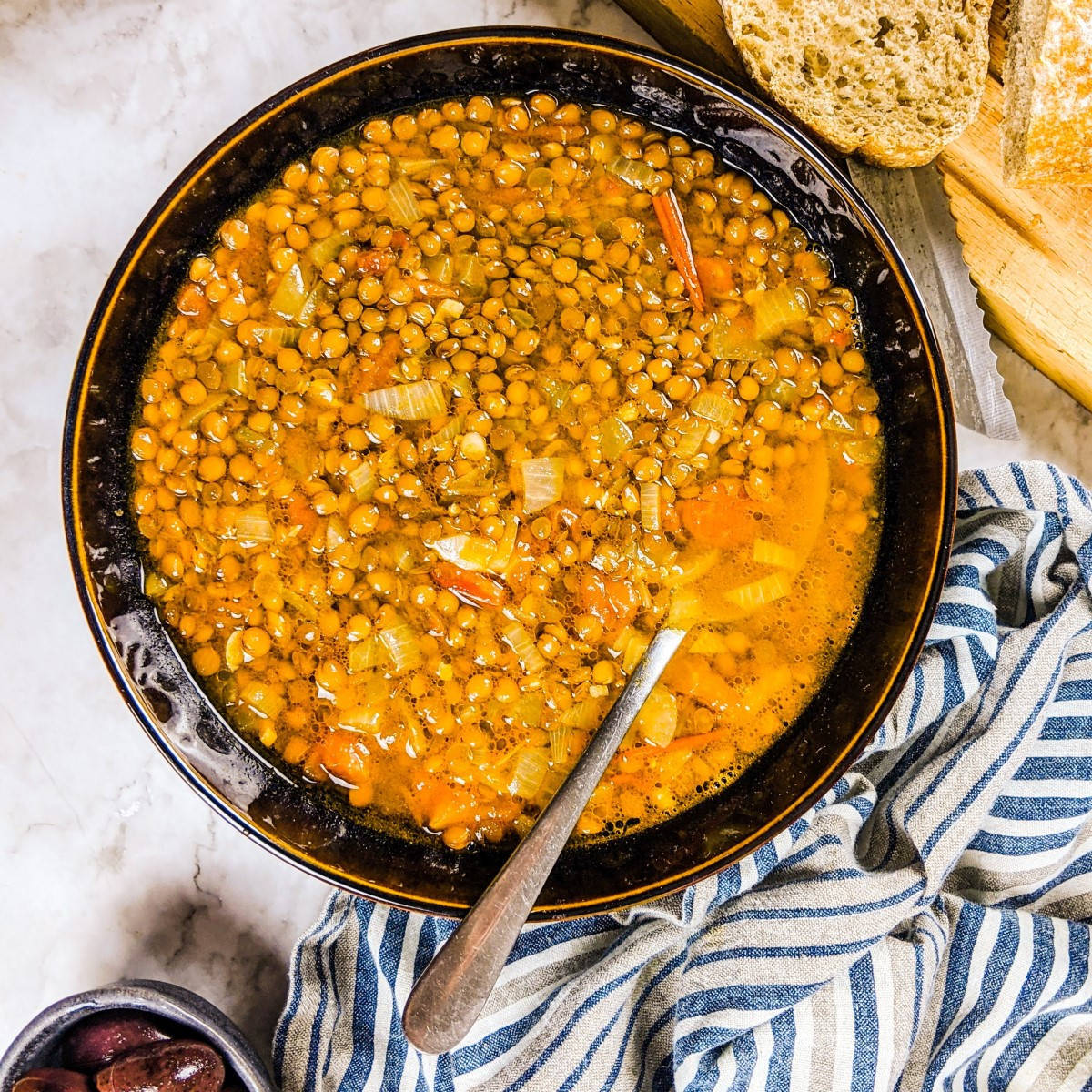
On Clean Monday, lagana is served with all the classic fasting dishes:
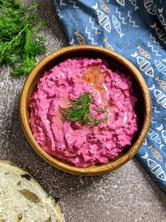
- Taramosalata
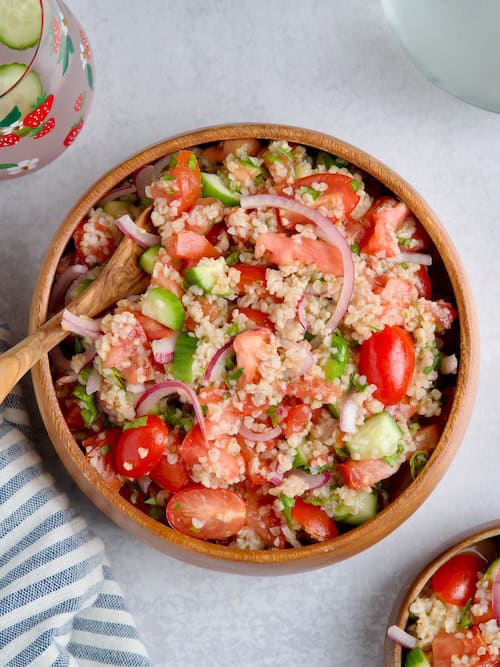
- Olives, cucumber and tomatoes
- Pickled vegetables
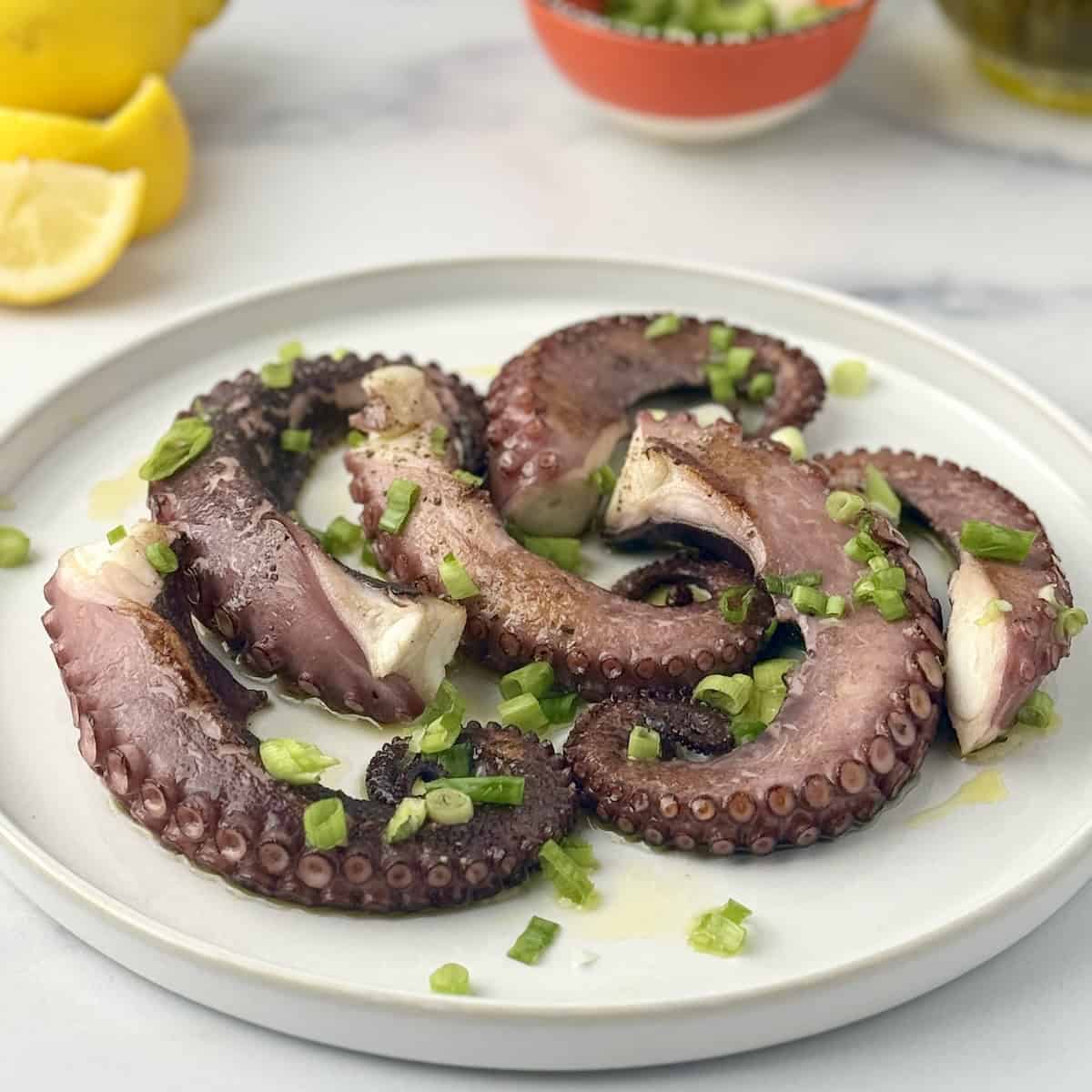
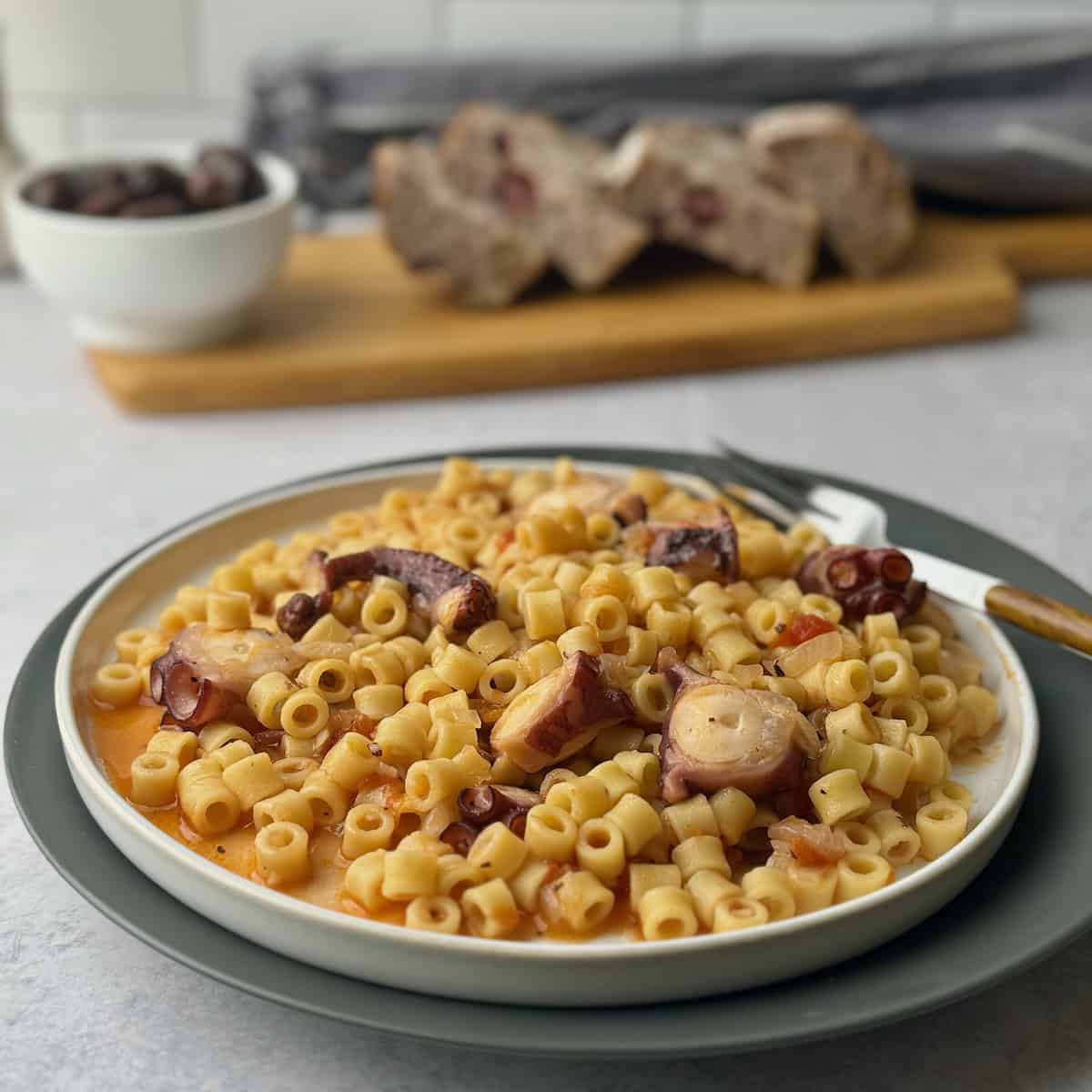
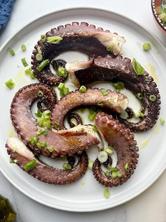
- Octopus and other seafood
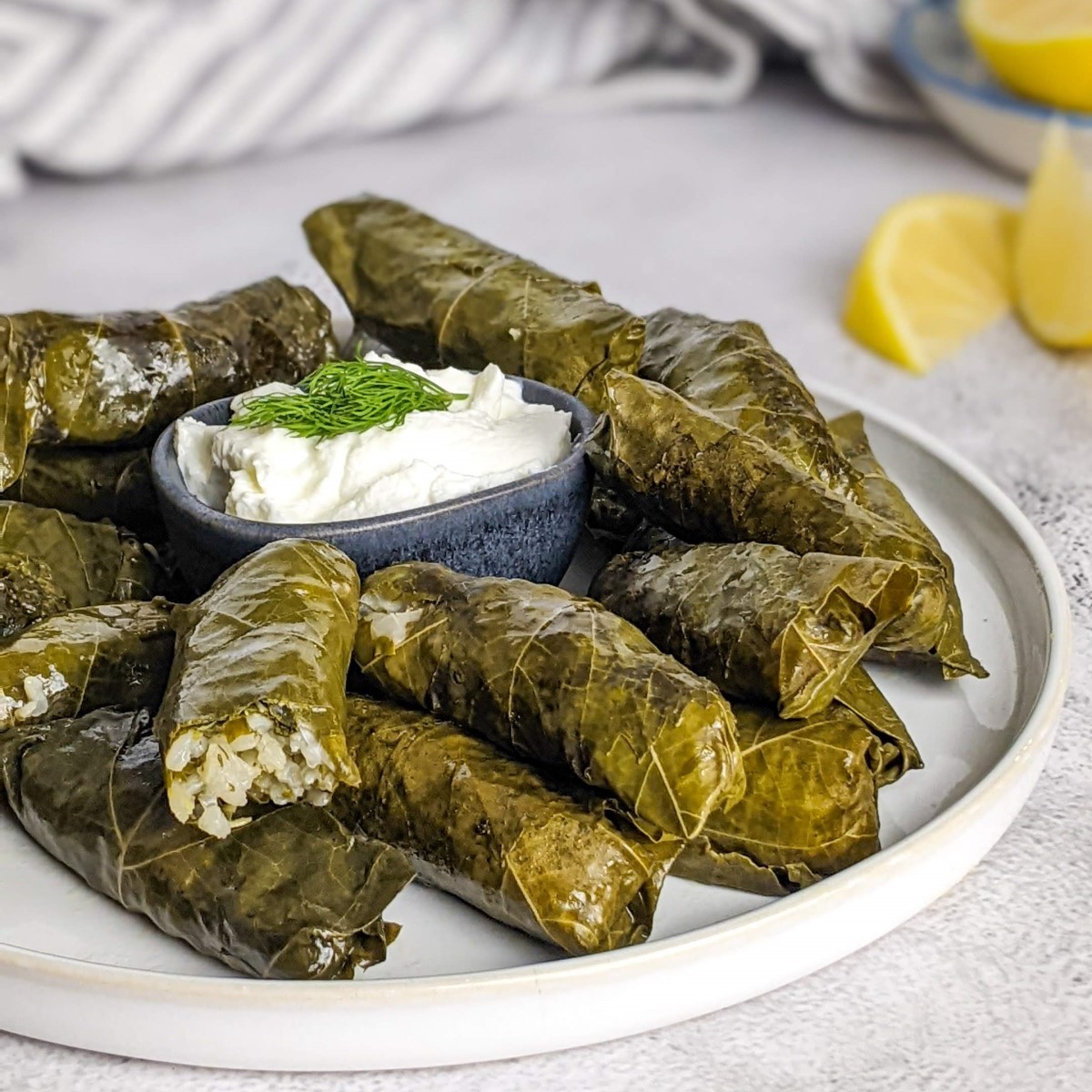
- Stuffed grape leaves
- and many more
It’s basically used to scoop and dip in sauces, dips, soups or salads.
Why you should try my recipe
- Very easy to prepare, with just a few ingredients.
- Only a little bit of kneading required that can be done by hand or with a stand mixer.
- Makes one big or two small laganas, enough for a big family.
- Option to avoid using oil for those following a strict fasting.
Ingredients & How-to
To make this Greek lagana bread we are going to need bread flour, active dry yeast, sugar, salt, olive oil, tahini, water and sesame seeds.
- Bread flour: I’m using bread flour that is stronger than all-purpose and has a higher-protein content.
- Olive oil: If you don’t want to use olive oil, you could use the oil from the top of the tahini jar.
- Sesame seeds: Traditionally, lagana has sesame seeds spread on top. Make sure they are not pretoasted as they will get burnt in the oven.
- Sugar: A little bit of sugar is added with the yeast to help with activation and also later on mixed with water before spreading the sesame seeds on top. Alternatively, you could use honey in both cases.
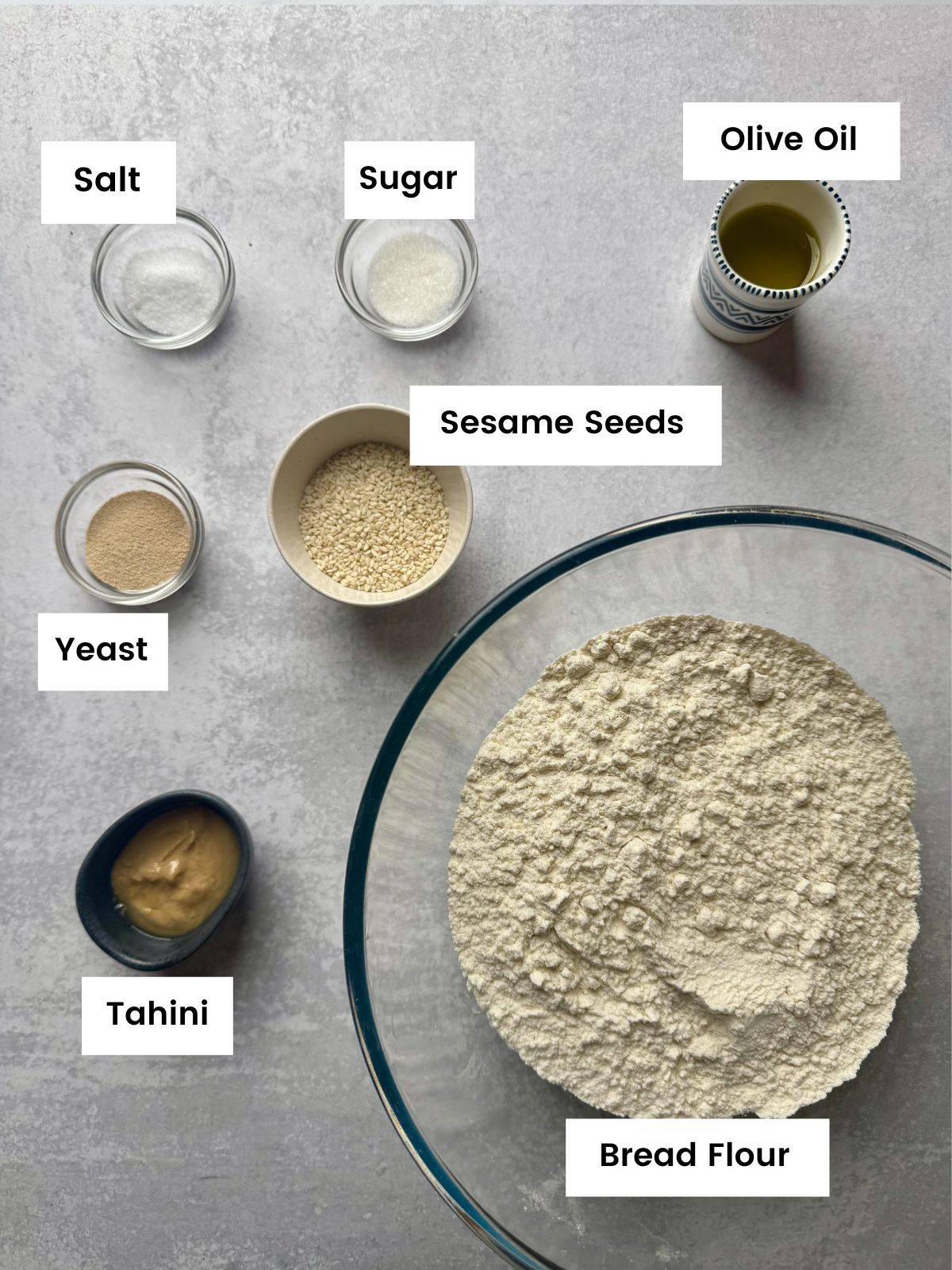
For full quantities check the recipe card down below.
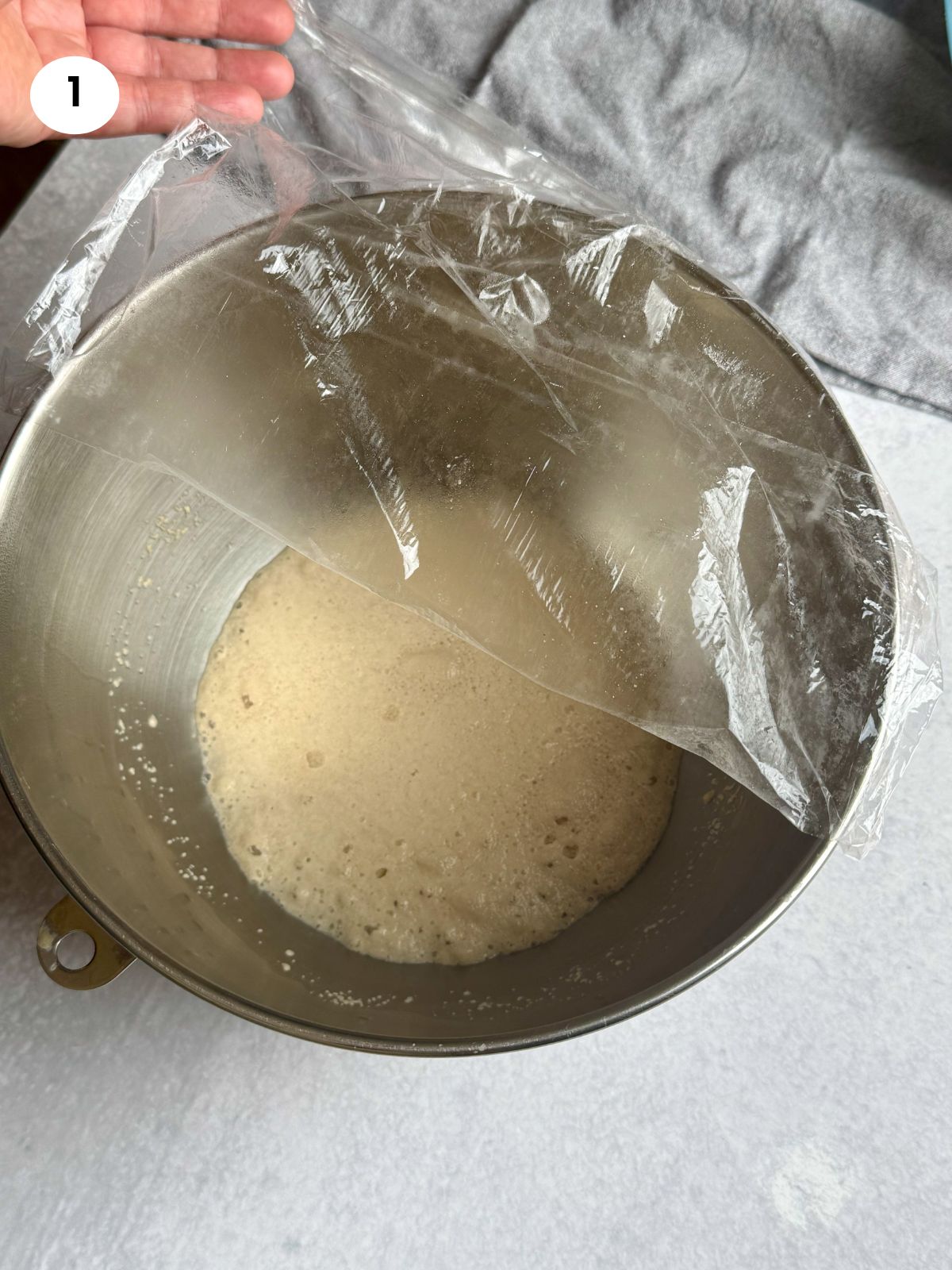
01. To start, I add the lukewarm water, yeast, and sugar to a bowl. I cover with cling film and let it rest for about 10 minutes. The yeast should become foamy on top, that’s how you know it’s activated and ready to use.
Make sure the water isn’t too hot, it should be around 100°F (40°C). If the water is too hot, or if the yeast has expired, you won’t see any foam forming on the surface. If that happens, discard the mixture and start again with fresh yeast.
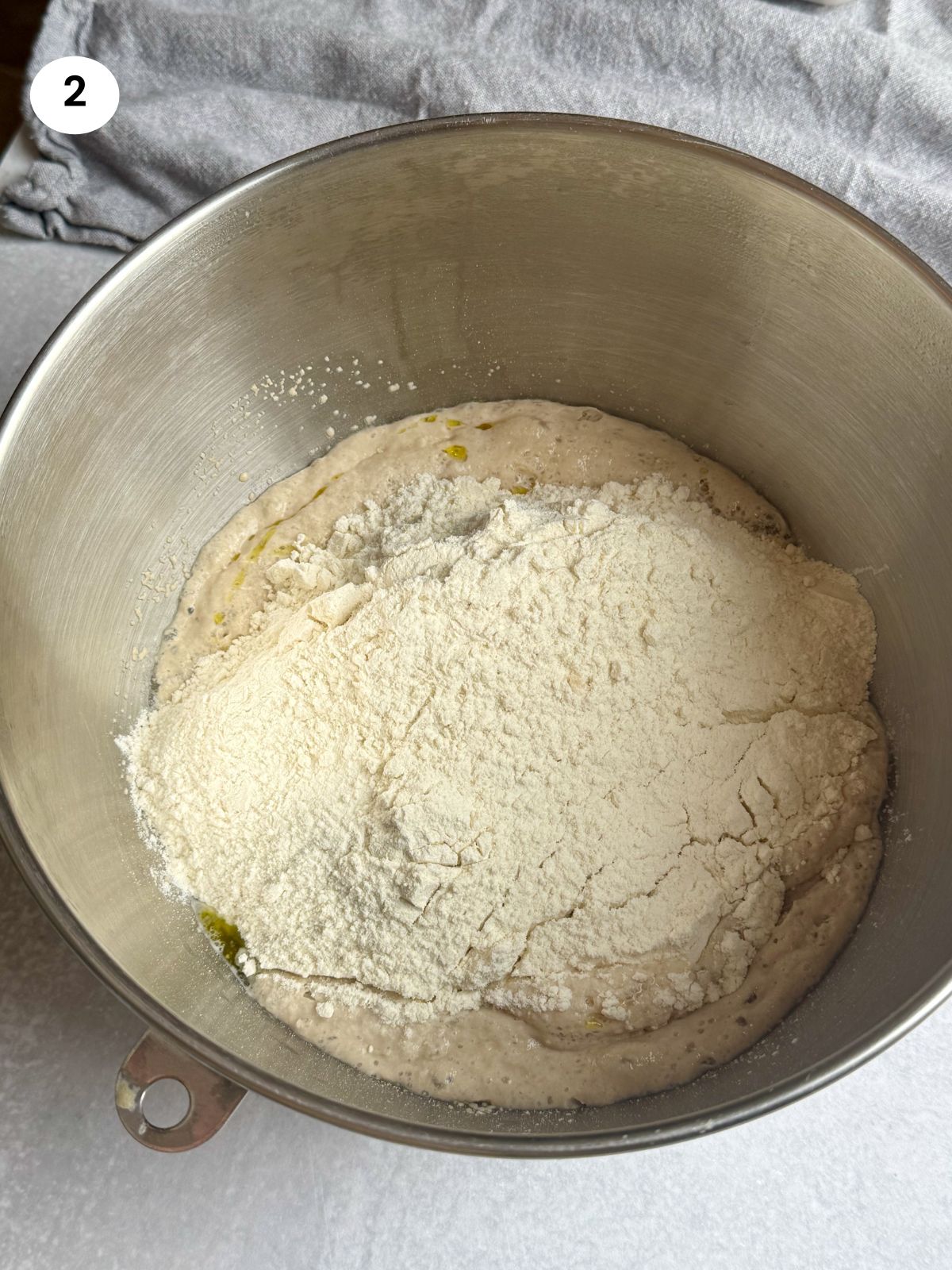
02. Next, I add the olive oil and tahini to the bowl. In a separate bowl, I mix together the flour and salt, then gradually add the dry ingredients to the yeast mixture. I like to mix the flour and salt separately first to avoid direct contact between the salt and yeast, as salt can slow down the yeast’s activity.
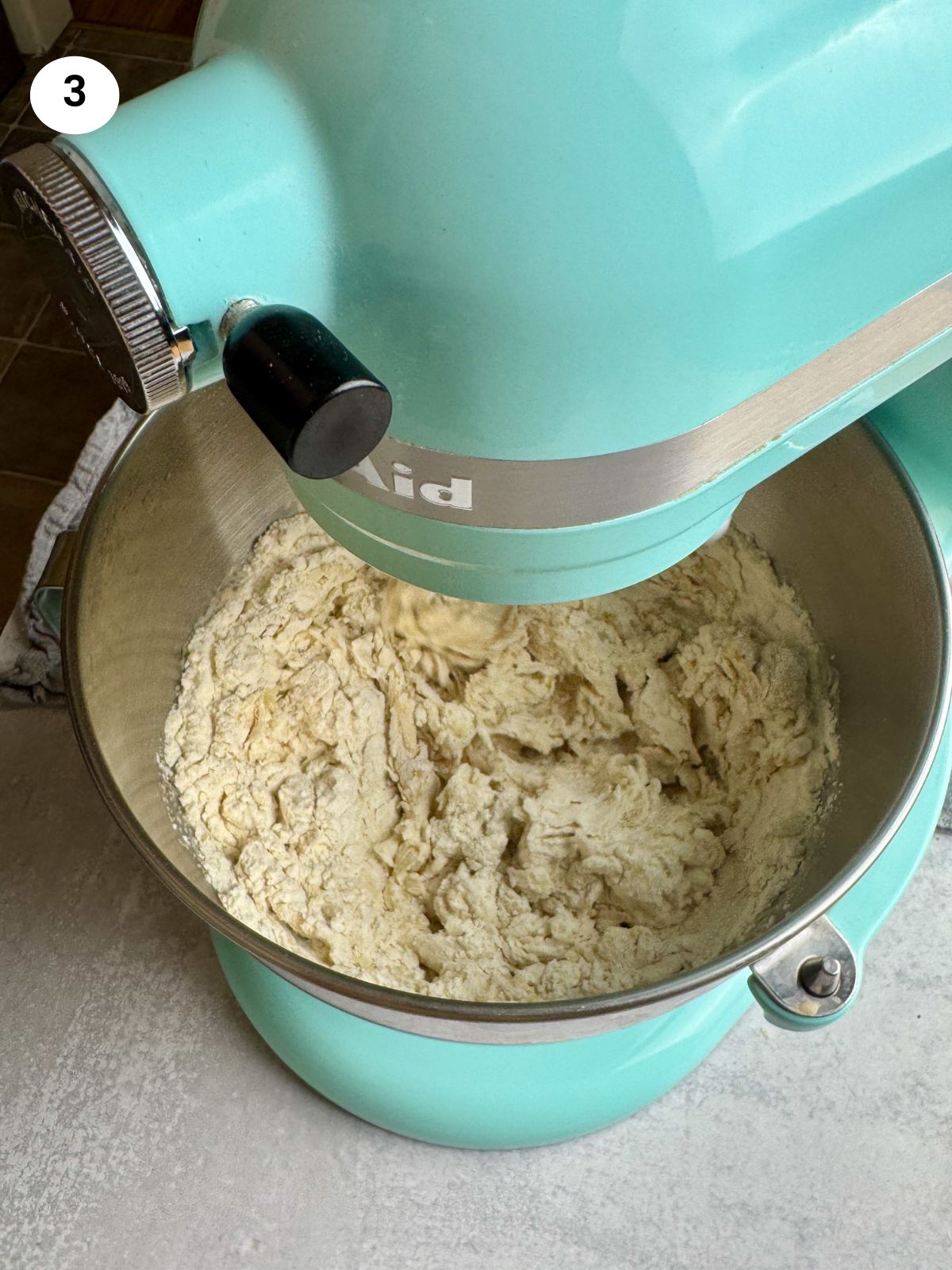
03. I like to use my stand mixer when making dough for convenience. If you don’t have a stand mixer, then you could knead the dough by hand. It doesn’t require much kneading, I leave it for 5 minutes in medium-low speed.
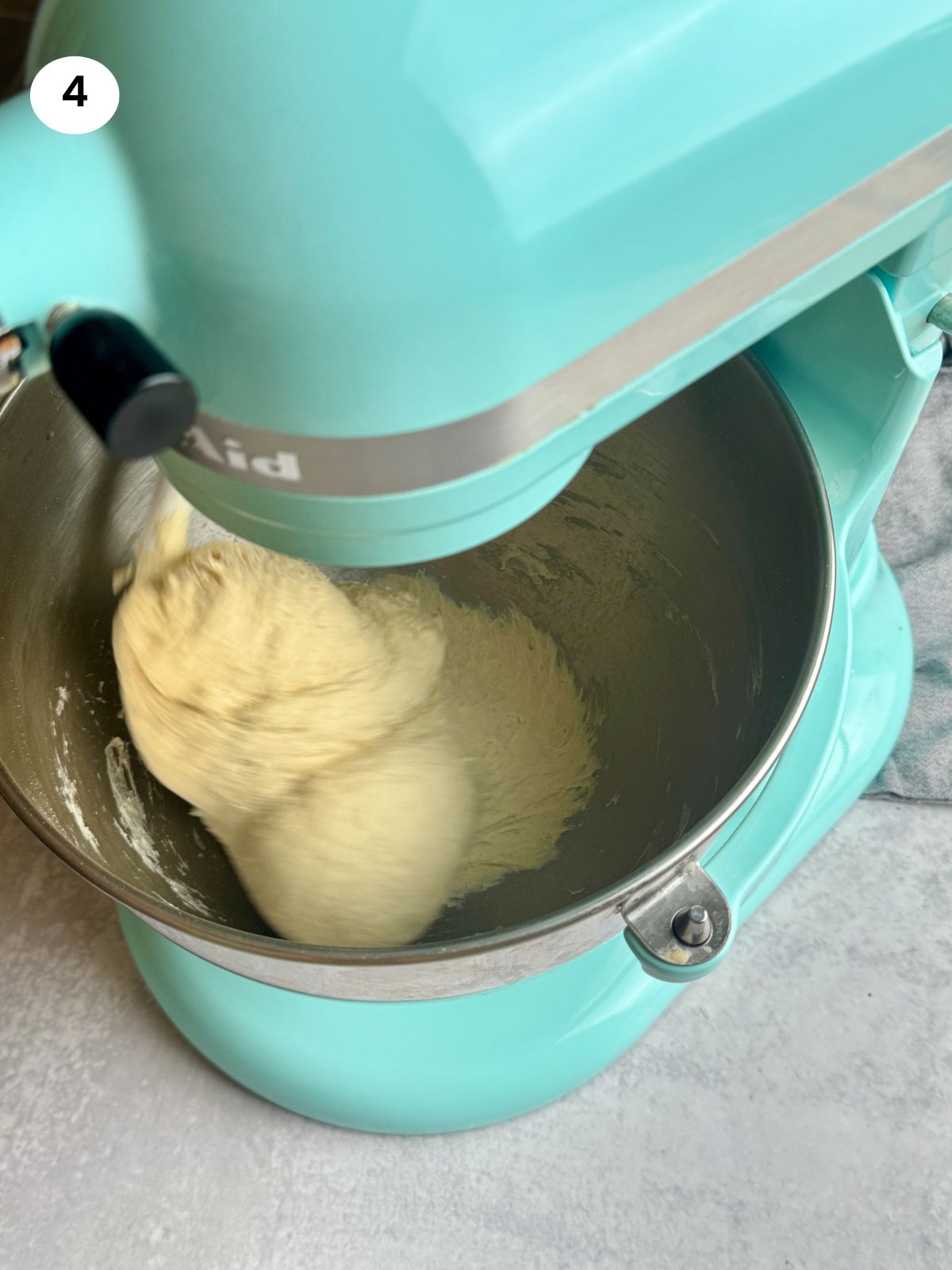
04. As it mixes, you’ll notice the dough gradually coming together and forming a ball around the hook, just be patient. After about 5 minutes, there shouldn’t be any dough sticking to the sides of the bowl. It should be wrapped around the hook, with a texture that’s soft, slightly sticky, and shiny. Keep in mind that lagana dough is softer than typical bread dough. It should be tender and a little sticky to the touch.
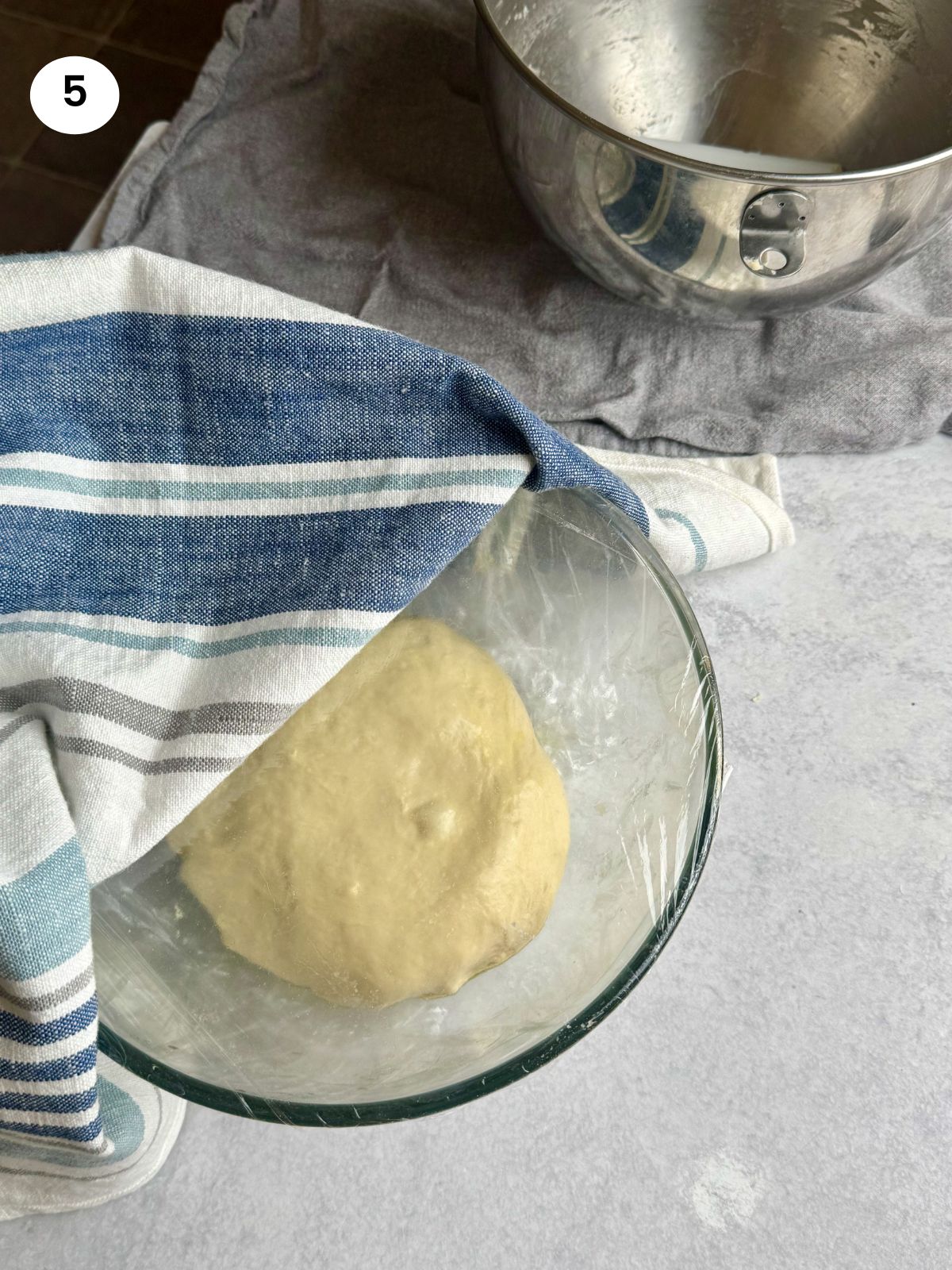
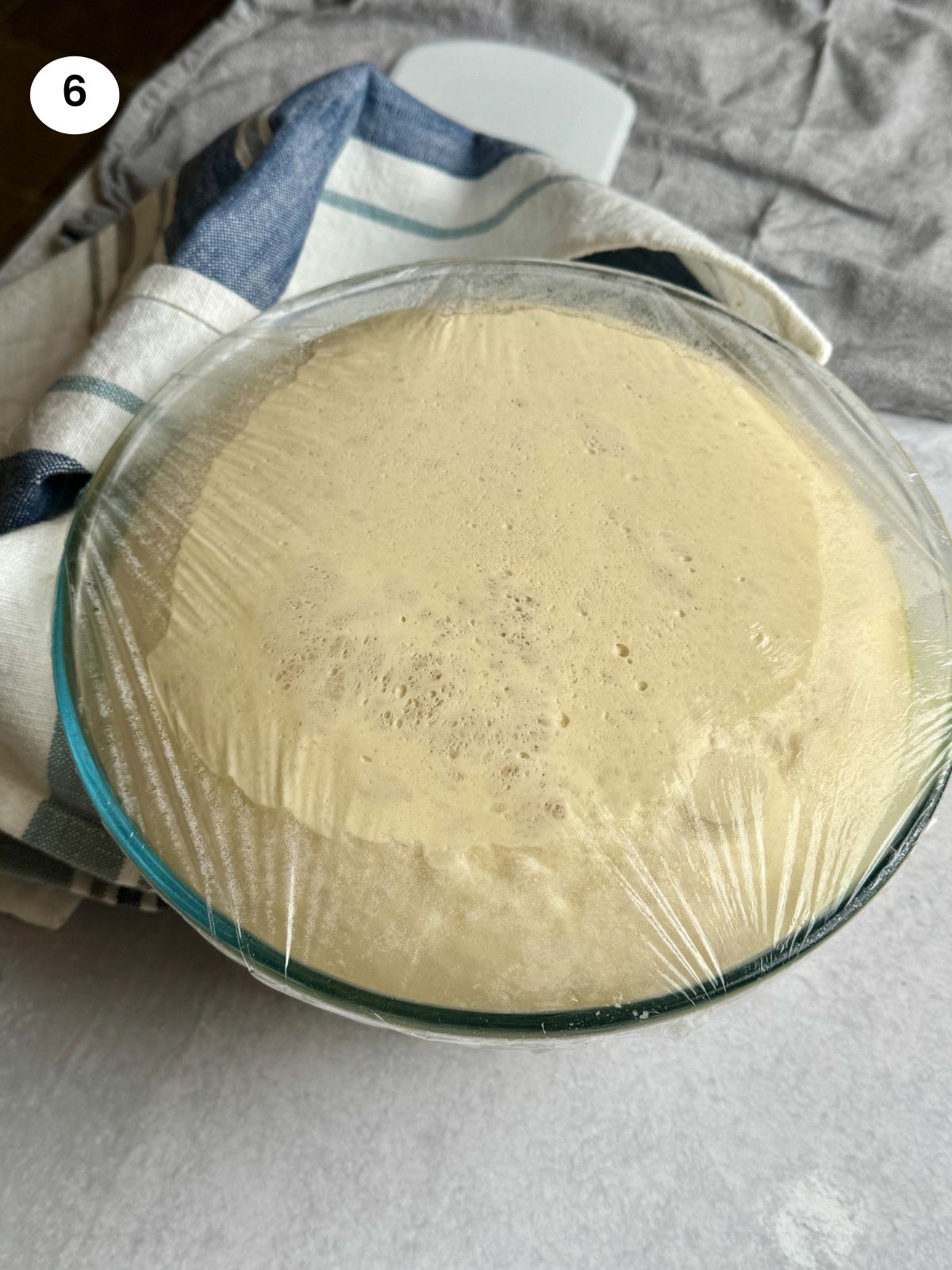
05. I place the dough in a lightly oiled bowl and turn it to coat all sides. This helps prevent it from sticking as it rises and doubles in size. I cover and let it rest for at least 1 hour, or until doubled. On colder days, I like to let the dough rise in the oven (turned off) to create a slightly warmer environment.
06. After the dough has risen, I remove the covers and oil my hands to handle it. I deflate it and place it on my working surface. I split the dough in two for making two medium sized lagana breads.
Mamazilla's Product Recommendations
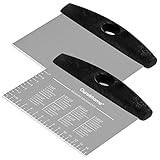
This one is one of my favorite kitchen tools. I use it for dough and baking but also when I want to move my chopped vegetables from the chopping board to the pot. Love it!
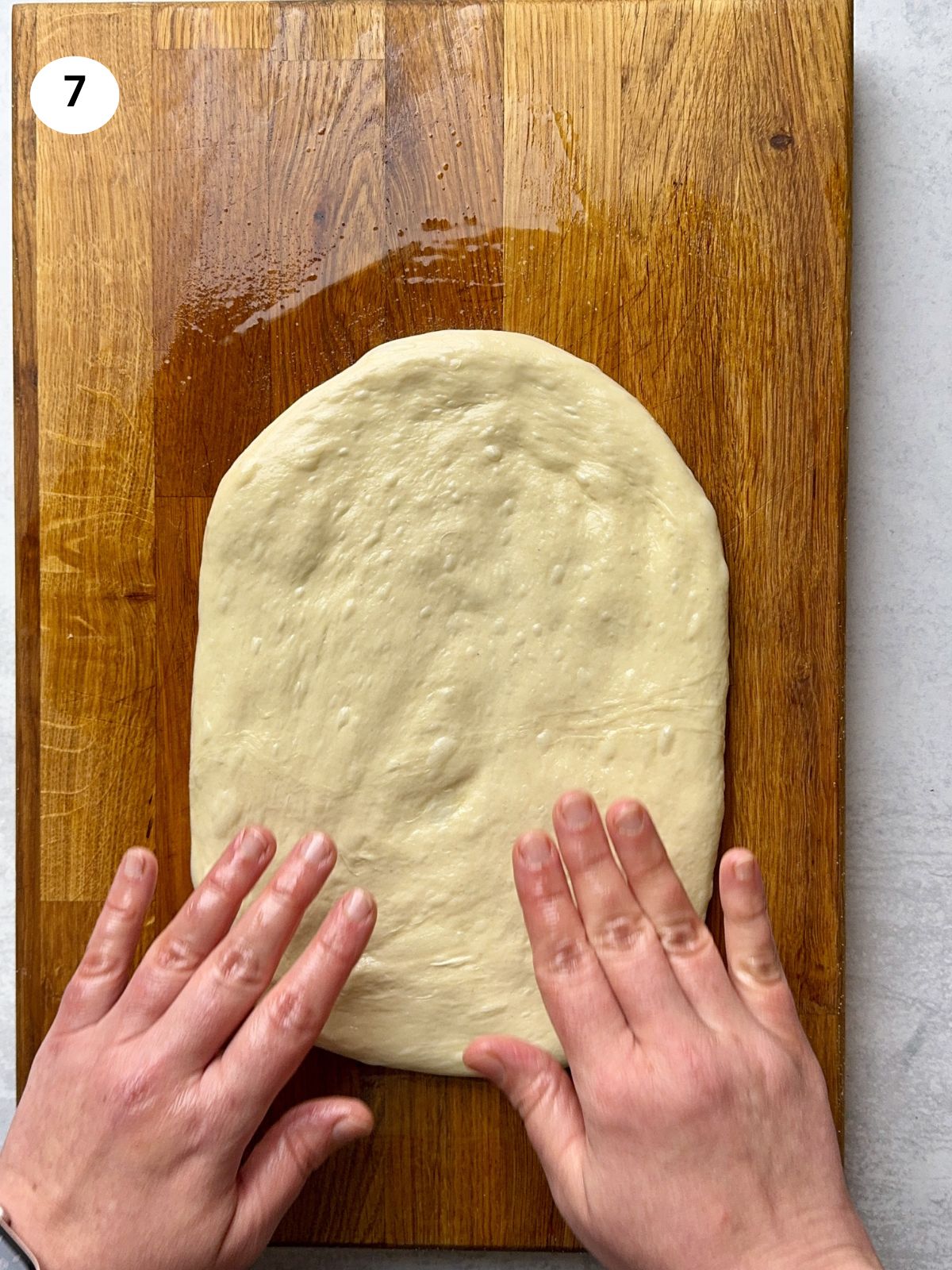
Buy On Amazon07. You don’t need a rolling pin to shape the lagana. The dough is very pliable, similar to pizza dough, and easy to work with. I start by shaping it into a ball, then gently press it with my fingers to stretch it into an oval.
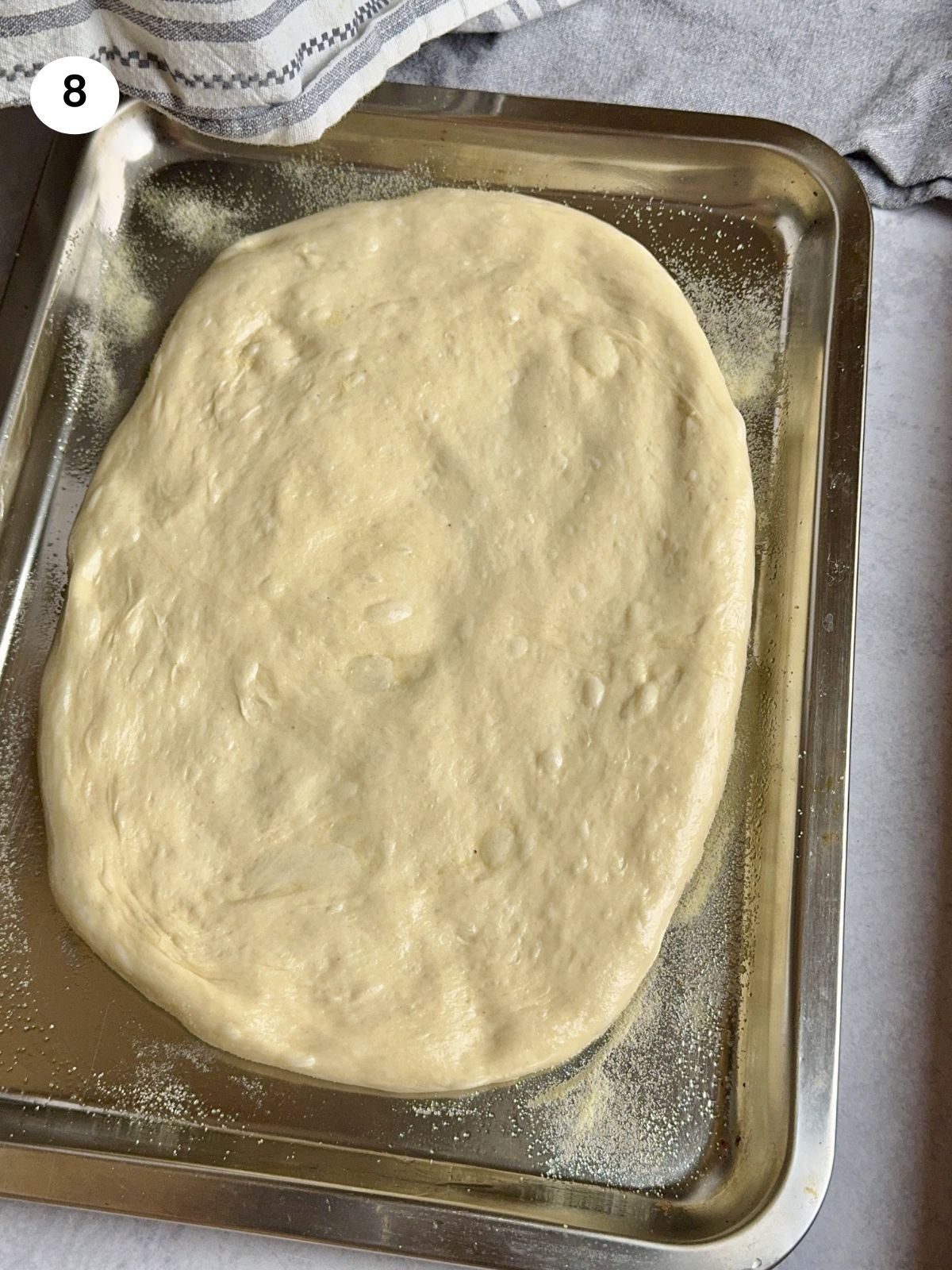
08. Before placing the lagana on the tray, I brush it with some oil and spread some semolina flour. You could also use cornmeal or just skip it if you don’t have any. It helps to get a nice crispy bottom.
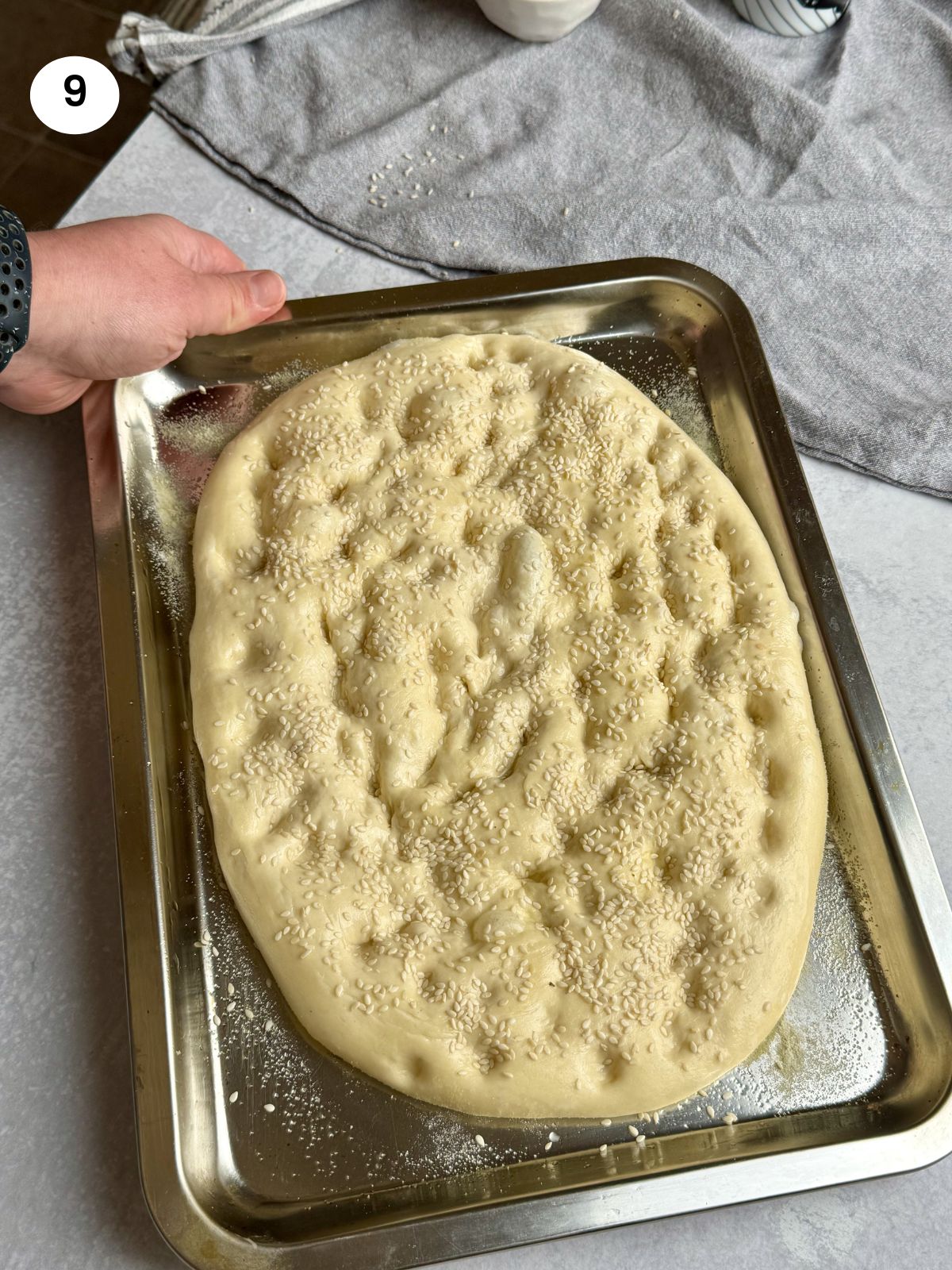
09. Now that the dough has rested again for the second time, I brush the top with a mix of water and sugar and spread the sesame seeds on top. The sugary water helps the sesame seeds to stick on the lagana and also make it crispy outside. Then I make little dimples with my fingers to give it its traditional shape and prevent it from forming any air bubbles in the oven.
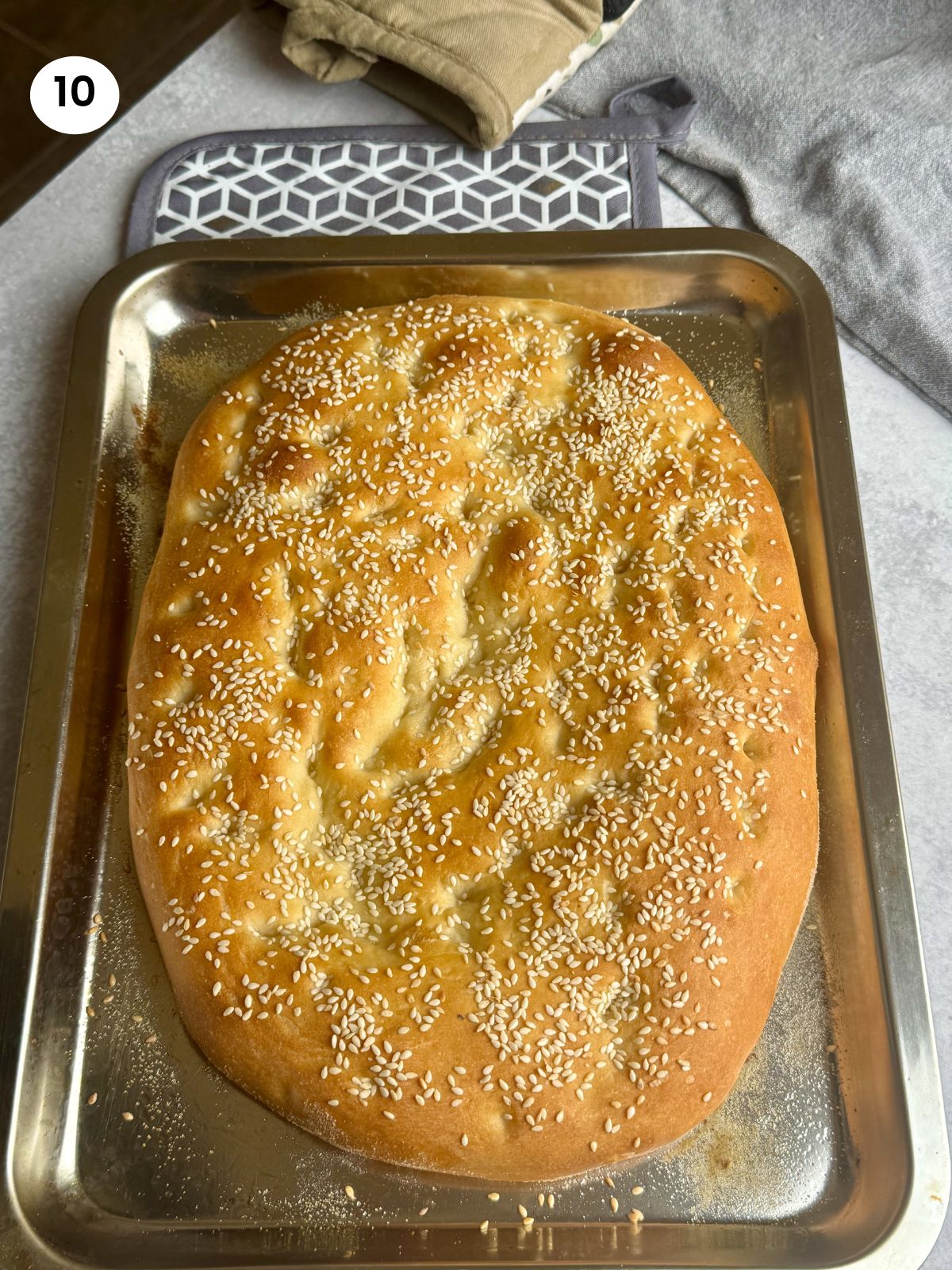
10. It takes about 20 minutes to get a nice golden brown color. You could bake it a bit more for a crispier exterior, just keep an eye on it so it doesn’t get burnt. I let the lagana breads cool down on a rack for 10-15 minutes before serving.
Tips
- Oil the top of the dough before covering with cling film so it’s easier to remove from the bowl after the rise.
- Oil your hands and your surface or wooden board so it’s easier to spread the dough and form the lagana.
- If your kitchen is cold, place the dough in the oven (turned off) to proof. This helps create a slightly warmer, draft-free environment so the dough can rise properly.
- Use bread flour or a flour with high protein content for better results.
Serving suggestions
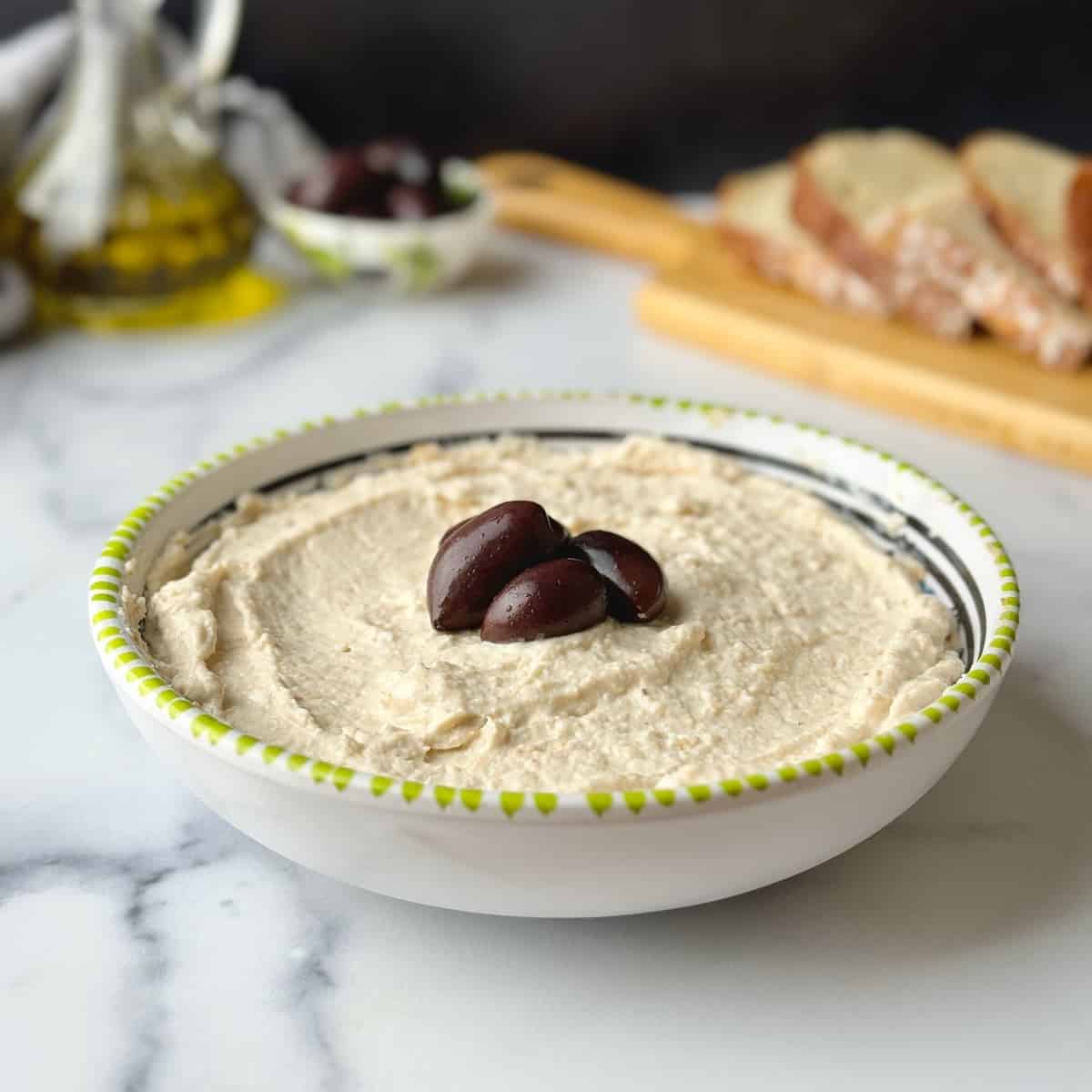
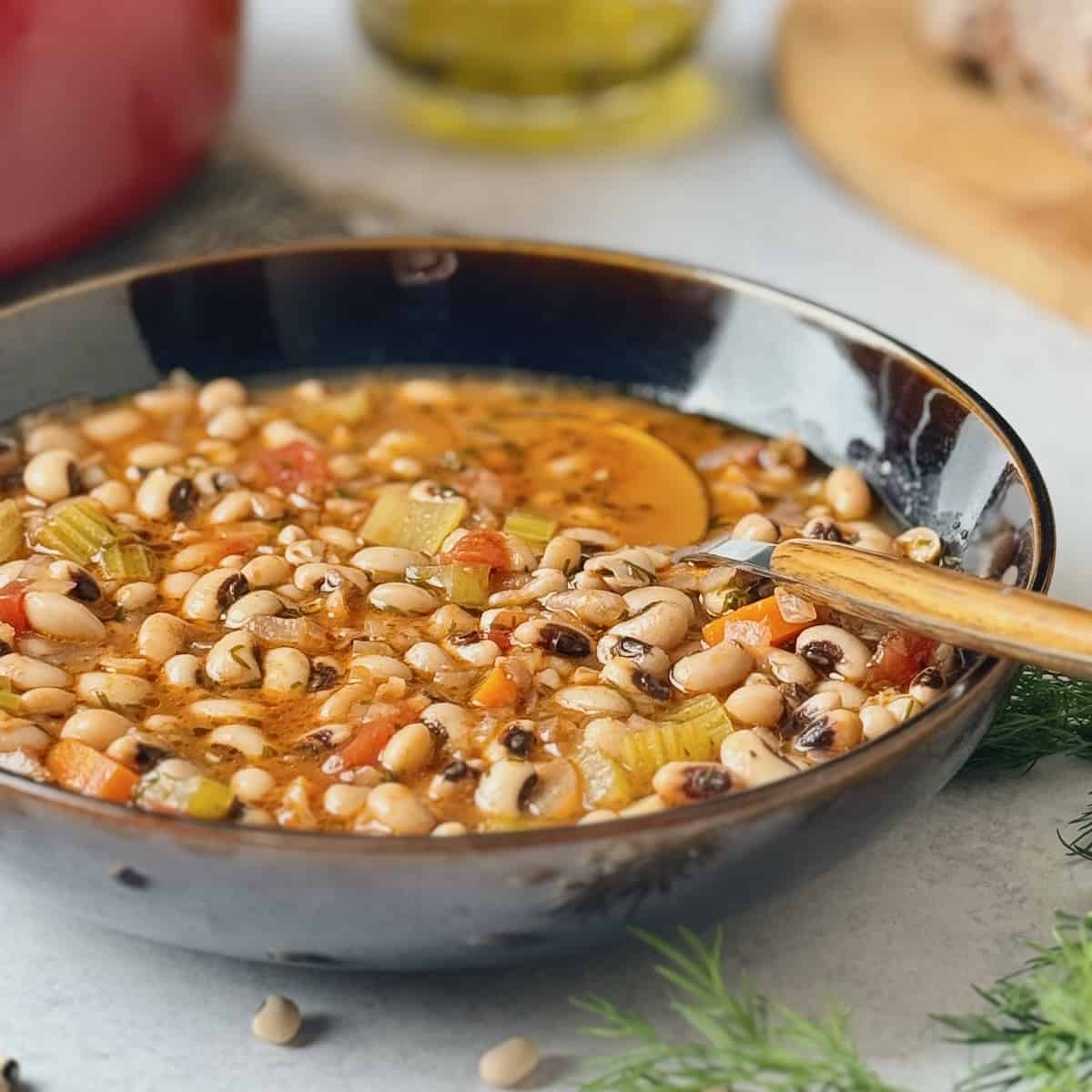
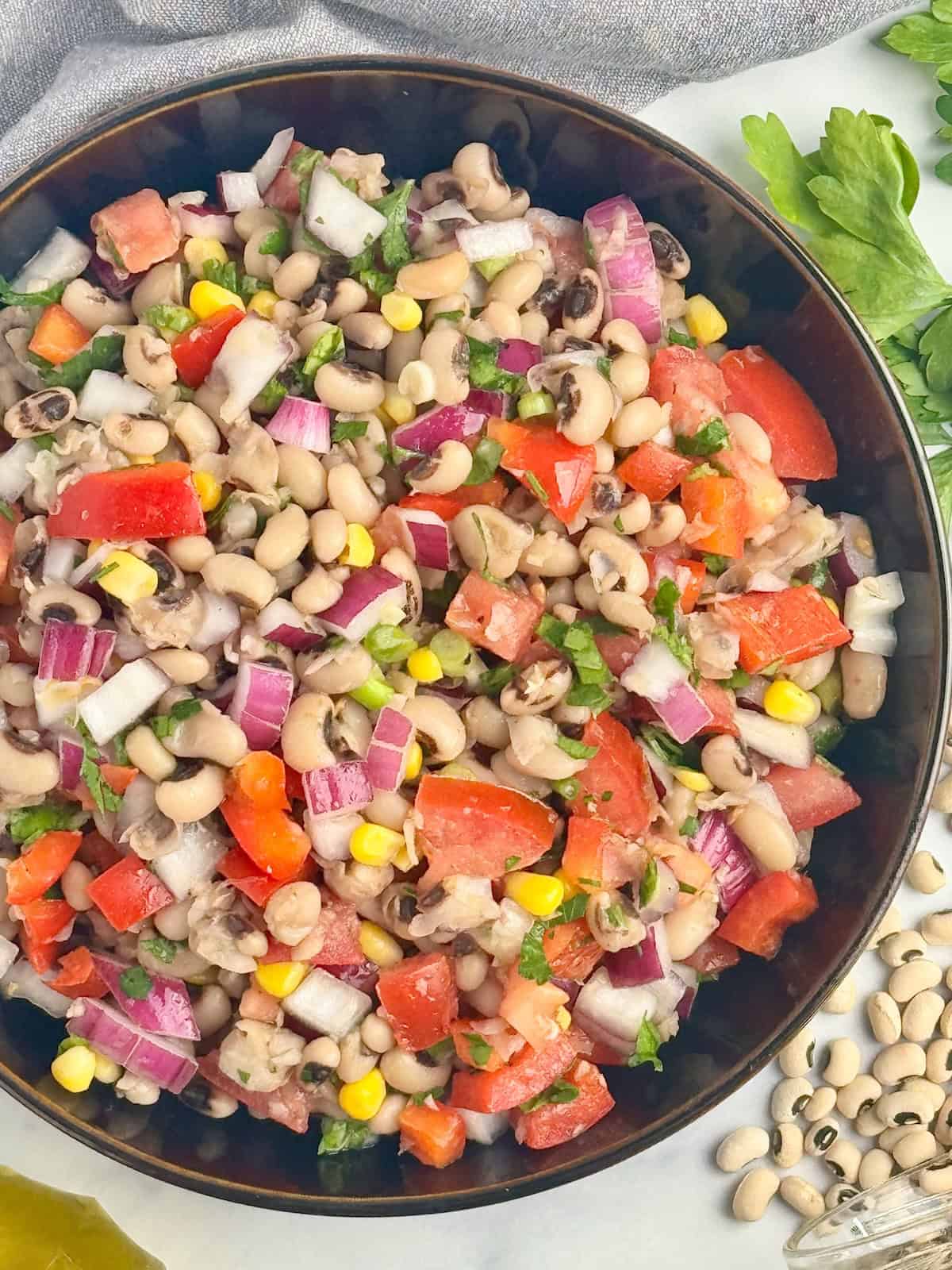
Lagana is traditionally served on Clean Monday (Kathara Deutera) with other Lenten food like taramosalata, olives, seafood, potato salad and black eyed peas salad and many more. You can find some of my favorite Clean Monday recipes on this page.
Storage
Lagana is best enjoyed on the day while it’s still crispy outside and soft in the middle. If you do have any leftovers, you could store it in a bread bin or bread storage bags for up to 3 days.
FAQ
If you don't want to use olive oil for fasting, then you could use the oil from the top of the tahini jar or other nut oils.
I recommend using a high protein flour or bread flour for making bread recipes but if you don't have any then you could use all-purpose flour.
Pair it With Recipes
If you tried my Lagana - Greek Traditional Flatbread or any other recipe on my website, please leave a 🌟 star rating and let me know how it went in the 📝 comments below. I love hearing from you!
Recipe
Lagana - Greek Traditional Flatbread
This traditional Greek lagana bread (flatbread) is crispy on the outside and soft in the middle, with a subtle nutty flavor from the tahini and sesame seeds. Enjoy it with your favorite dips, seafood, dolmadakia, and all the traditional dishes served at the start of the Lent season. Kali orexi! 5.0 from 1 votes
10 pieces
15 minutes
Dough Ingredients
- 4 cups (500gr) bread flour
- 2 ¼ teaspoons (8gr) dry instant yeast (1 packet)
- 1 ½ teaspoons (9gr) salt
- 1 tablespoon tahini
- 1 tablespoon sugar or honey
- 2 tablespoons olive oil
- 1 ½ cups (375ml) water (lukewarm)
Tray & Brushing Ingredients
- 3-4 tablespoons oil
- ¼ cup water
- 1 teaspoon sugar
- 2 tablespoons semolina flour or cornmeal
- ¼ cup sesame seeds
Equipment
- dough scraper (paid link)
- stand mixer (paid link)
- baking tray (paid link)
Instructions
- In a bowl, add the yeast, lukewarm water and one tablespoon of sugar. Mix and cover the bowl with cling film. Rest for 10 minutes.
- Add 2 tablespoons of oil and the tahini to the bowl. Mix the salt and flour together and add them to the bowl.
- Knead the dough by hand or using a stand mixer for 5 minutes with the hook at medium-low speed.
- The dough will get more shiny and form a ball around the hook after 5 minutes. It will still be lightly sticky to touch.
- Add a tablespoon of oil to a bowl and place the dough inside, turning it to coat all sides with oil. Cover with cling film and a kitchen towel, and let it rest for 1 to 1½ hours, or until doubled in size.
- Gently press the dough with your hand to deflate it. Lightly brush your work surface with oil and place the dough on top. Divide it into two pieces for two medium lagana breads, or leave it whole to make one large one.
- Form each dough piece into a ball and then press with your fingers to flatten it out and form an oval or rectangular shape.
- Brush a tray with oil and spread about a tablespoon of semolina flour or cornmeal. Place the lagana on top. Repeat with the second one.
- Cover the trays with clean towels and let them rest for 30 minutes. In the meantime, preheat your oven to 375F / 190C.
- Mix about a quarter cup of water with a tablespoon of sugar. Brush the lagana breads with the sugary water and then spread some sesame seeds on top of each one.
- With your fingers or the back of a knife, create little dimples on the dough.
- Bake for 20-25 minutes or until golden brown. Cool on a wire rack for 10-15 minutes before serving.
Notes
- You can use a high protein flour or bread flour of your choice.
- You could use honey instead of sugar for the dough and for brushing the lagana before spreading the sesame seeds.
- The tahini gives the lagana bread a nice aroma but you could leave it out if you don't have any.
- You could make 2 lagana breads or 1 thicker one if you prefer it less crunchy.
Storage
It's best enjoyed on the day but you could also store it in a bread bin or bread bags for up to 3 days.
Nutrition Info (per serving)
I am not a nutritionist. The nutrition information has been calculated using an on-line calculator, and is intended for information and guidance purposes only. If the nutrition information is important to you, you should consider calculating it yourself, using your preferred tool.



Julia - Mamazilla
I really loved creating this lagana recipe and post for you; I hope you make it and enjoy it as much as I do. Please leave me a comment here and share your feedback with a star rating as well